/59748.tmb-300v.png?sfvrsn=9885965b_2 "For the future - publication thumbnail")

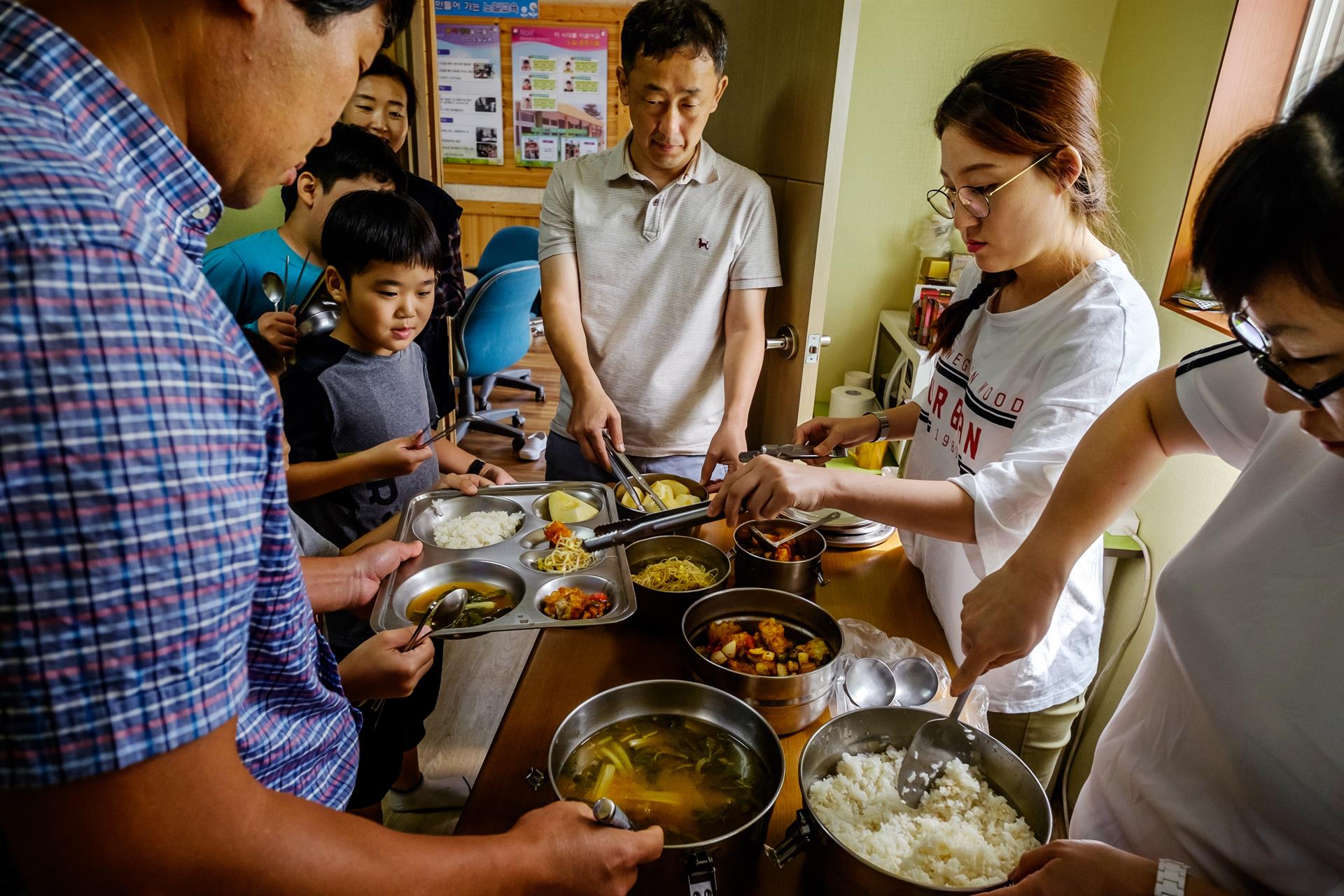
Having lunch at the elementary School of Hongcheon
Nutrition
Good nutrition plays a fundamental role in human health, survival and development. Better nutrition is related to improved infant, child and maternal health, stronger immune systems, safer pregnancy and childbirth, lower risk of noncommunicable diseases (such as diabetes and cardiovascular disease), and longevity.
Malnutrition, in all its forms, presents significant threats to human health. Today the world faces a double burden of malnutrition, with the coexistence of undernutrition along with overweight, obesity, or diet-related noncommunicable diseases, especially in low- and middle-income countries.
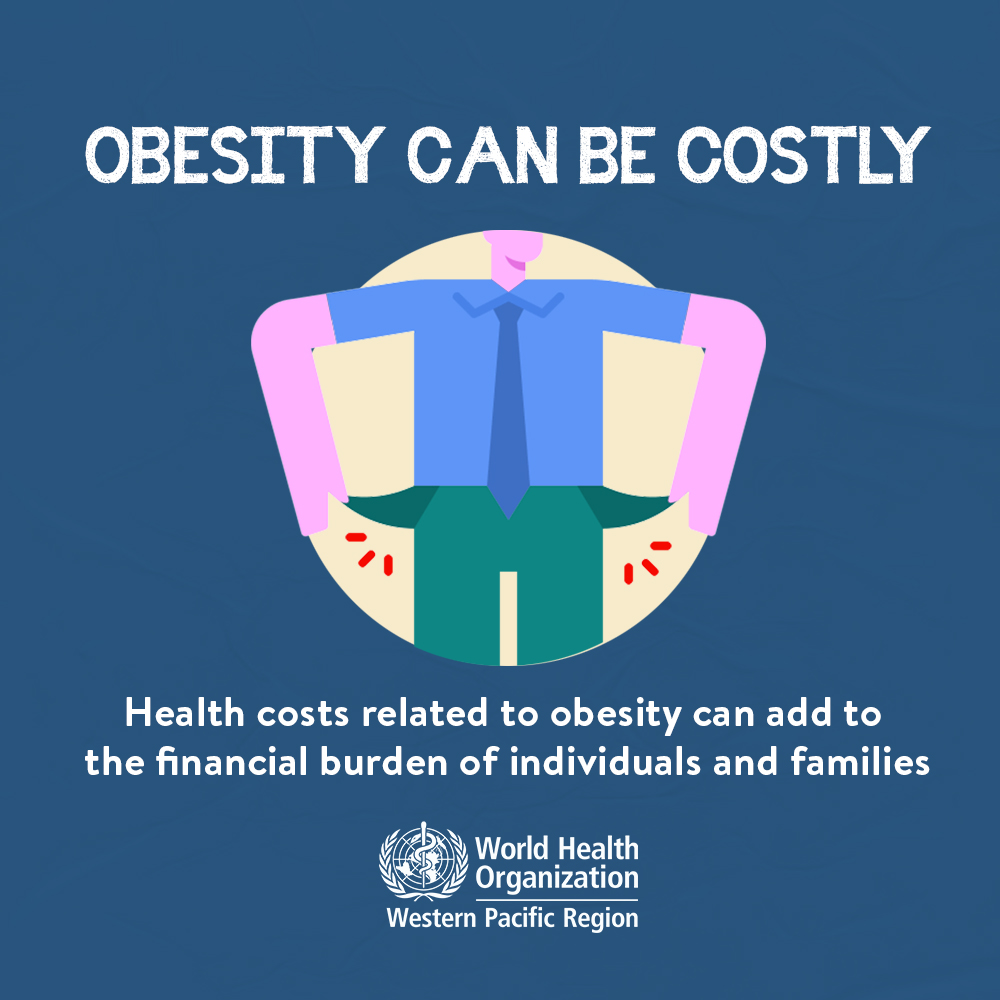
The burden of malnutrition across the life course creates a cycle of disadvantage that spans generations. The lasting effects of malnutrition extend far beyond health, undermining the very foundations of economic and social development for individuals, families, communities and societies.
Estimates in 2024 revealed that 8.4 million stunted children (too short for their age) and 1.5 million wasted children under 5 years of age (underweight for their height) were living in the Western Pacific Region. While stunting and wasting have reduced over the years, overweight among children under 5 increased during the same period, with the latest estimate marked at 8 million in 2024.
Overweight prevalence also increased for children and adolescents aged 5 to 19 (17.6% in 2012 to 22.2% in 2022) and adults (27.8% in 2012 to 36.3% in 2022) in the Region. A similar pattern was observed for obesity prevalence, with the latest regional estimates in 2022 recorded at 10.8% for children and adolescents aged 5 to 19 and 8.5% for adults.
Anaemia remains a critical global health challenge, particularly among young children and women. While anaemia prevalence among pregnant women in the Region stood at 18.6% in 2023, the prevalence for women of reproductive age was slightly lower at 16.5%. In addition, nearly 1 in 5 children less than 5 years of age experienced anaemia in 2019.
While breastfeeding serves as a critical shield against undernutrition and reduces the risks of overweight, obesity and diabetes, just under 2 in 5 infants under 6 months of age are exclusively breastfed in the Region.
Maintaining a healthy diet by limiting salt intake to less than 5 grams per day reduces the risks of heart disease and stroke. Regionally, the estimated mean population salt intake was 15.6 grams per day in 2019, more than triple the recommended maximum level.
Note: Regional estimates do not include data from Indonesia, whose membership in the WHO Western Pacific Region was officially endorsed by the 78th World Health Assembly in May 2025.
Essential nutrition actions to achieve optimum health and nutritional well-being are identified throughout the life course. WHO provides scientific advice and decision-making tools, and advocates for nutrition policy reforms that can help countries take action to address all forms of malnutrition to support health and well-being for all, at all ages.
The extensions of the Comprehensive Implementation Plan on Maternal, Infant, and Young Child Nutrition, the United Nations Decade of Action on Nutrition, and the WHO Global Action Plan for the Prevention and Control of Noncommunicable Diseases (NCDs) to 2030 ensure the continuation of efforts to end hunger and eradicate all forms of malnutrition. The two faces of malnutrition include undernutrition, such as wasting, stunting and micronutrient deficiencies, as well as those associated with dietary imbalance and excess, such as overweight, obesity, or diet-related noncommunicable diseases.
Addressing the multifaceted challenges of malnutrition requires multi-sectoral and multi-stakeholder collaboration. There is a potential for double-duty actions to effectively and simultaneously address the global challenge of the double burden of malnutrition. Double-duty actions through integrated interventions, programmes and policies have the potential to improve nutrition outcomes across the spectrum of malnutrition. Accelerating nutrition actions that align with the 14th General Programme of Work (GPW14) for the period 2025–2028 will further support Member States towards achieving the 2030 Sustainable Development Goals of ending all forms of malnutrition and reducing premature mortality from NCDs.


/nutrition-and-food-safety-(nfs)/directors-office-(nfd)/2025-uniatf-awards-group-photo.jpg?sfvrsn=dce5d8d_6 "2025 UNIATF Awards group photo")