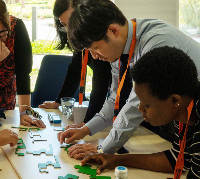
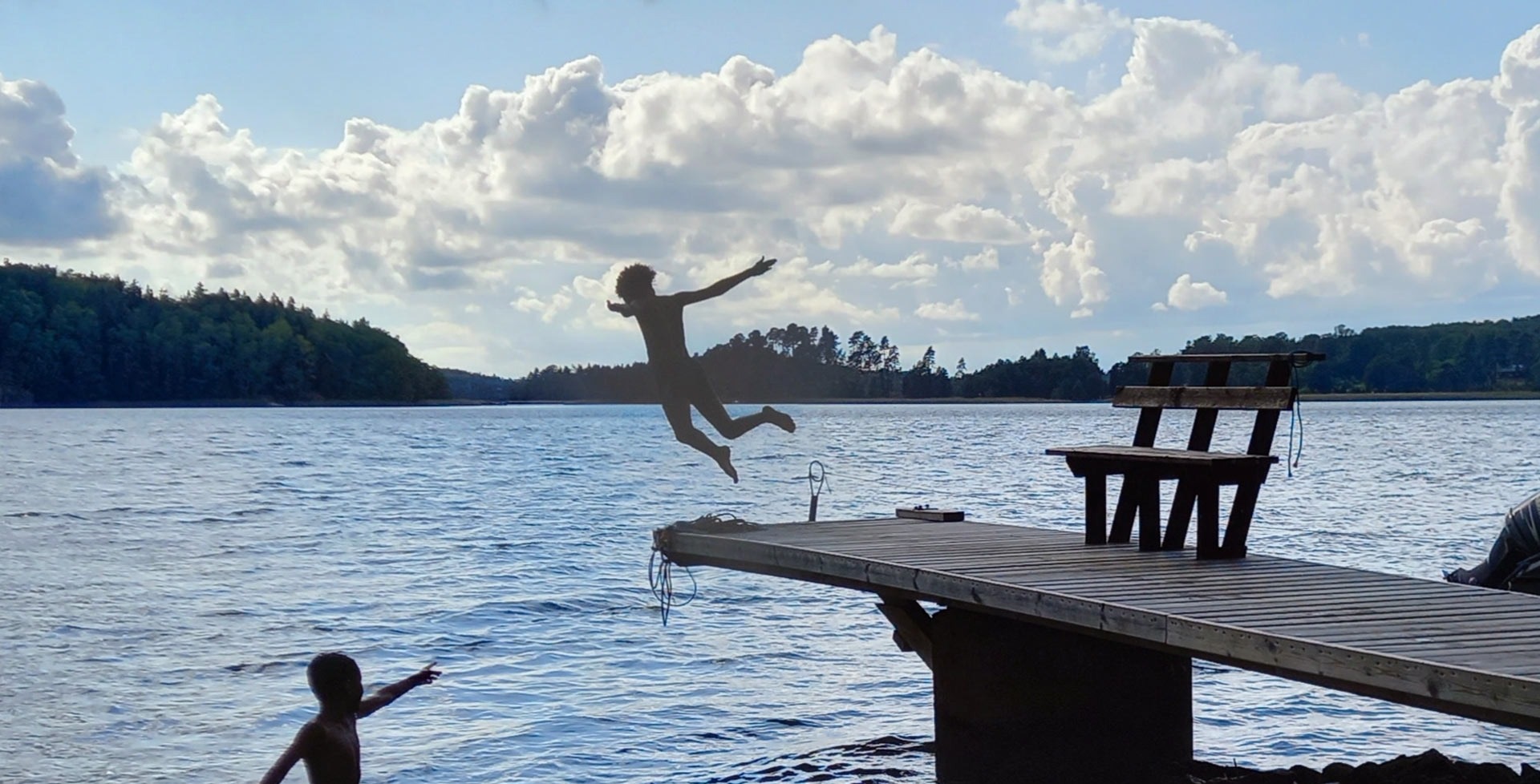
WHO/Petra Hongell
© Credits

Physical activity

    Overview

    Regular physical activity has several health benefits across the lifespan. Among children and adolescents, physical activity provides benefits for cognitive development, motor skills, self-esteem, social integration, musculoskeletal health, academic achievement and overall well-being. Among adults, physical activity contributes to the prevention and control of noncommunicable diseases, such as cardiovascular diseases, cancer (especially breast and colon) and diabetes, and reduces overall mortality and risk of premature death.

    WHO response

    WHO promotes active living by supporting and implementing activities in Member States. There are many new initiatives under way that help people increase their physical activity, ranging from cities building safe cycling lanes, to family doctors setting up activity groups or making "physical activity prescriptions", to supporting groups in the community who can bring people together to enjoy themselves and get fit.

    One of WHO's activities is the Move for Health initiative, which advocates the benefits of physical activity and generates public awareness by highlighting good practice.

    WHO/Europe also facilitates the European network for the promotion of health-enhancing physical activity (HEPA Europe), which works towards physical activity promotion in health policy and in other relevant sectors in Europe. Its network of European experts produces practical tools, guidelines and case studies, which are being used across the Region. It also participates in research activities.
    21-25%

    Number of breast

    and colon cancers worldwide that are caused primarily by physical inactivity

    Our work

    All →

    Publications

    All →
    Promoting mental health through cycling and walking: a win-win approach for health and sustainability

    Addressing the triple challenge of physical inactivity, the growing need for healthy and sustainable mobility, and for intersectoral action on mental health,...

    Understanding the health and tourism nexus

    This report explores the multifaceted nexus between health and tourism within the WHO European Region, emphasizing the importance of sustainable tourism...

    Report of the twentieth annual meeting and fifteenth conference of HEPA Europe: Dublin, Ireland, 19–21 August 2024

    The twentieth annual meeting of HEPA Europe, the European Network for the Promotion of Health-Enhancing Physical Activity, took place within the framework...

    Be an inclusive, empowering and supportive sports clubs manager: health promoting sports club management implementation guide

    Sports clubs play a key role in fostering members’ physical, mental and social well-being. Nevertheless, grassroots sports clubs are typically managed...

    Documents

    All →

    Country profiles

    Country profiles present selected data, statistics and information to provide national health profiles at given points in time.
    GO

    Related WHO collaborating centres

    WHO collaborating centres are institutions that form an international collaborative network carrying out activities to support WHO’s programmes at all levels. They provide an opportunity for WHO to utilize their inherent expertise for the benefit of all Member States.

    View the list of related collaborating centres